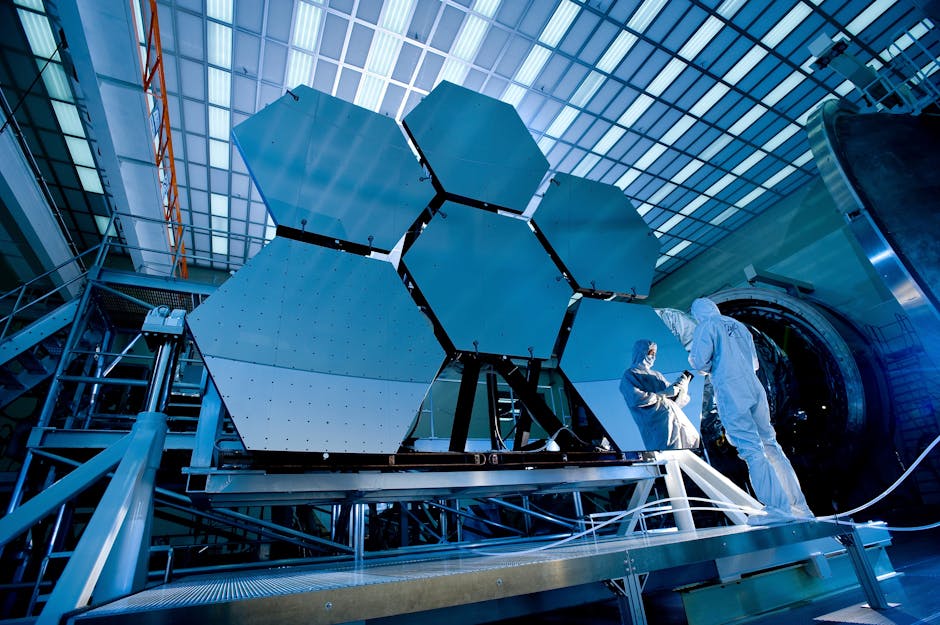
Embracing the Age of Robotics and Automation
In today’s rapidly evolving technological landscape, the age of robotics and automation is upon us. With advancements in artificial intelligence and robotics, industries are increasingly turning to automation to streamline processes, improve efficiency, and enhance overall productivity. Companies like Tesla have made headlines with their innovative use of robotics, such as the Teslabot, to revolutionize manufacturing processes. As we embrace this new era of robotics and automation, it is essential to understand the benefits, challenges, and impact these technologies have on various sectors.
The integration of robotics and automation in industries has revolutionized the way businesses operate. From manufacturing and logistics to healthcare and retail, robots are being used to perform tasks that were once deemed too dangerous, repetitive, or time-consuming for humans. The Teslabot, for example, has been instrumental in Tesla’s production line, handling tasks such as welding, painting, and assembly with precision and efficiency. By automating these processes, Tesla has been able to increase production speed, reduce errors, and improve overall product quality.
One of the key benefits of robotics and automation is the ability to increase productivity and efficiency. Robots can work around the clock without the need for breaks or rest, leading to higher output and faster turnaround times. This increased efficiency not only translates to cost savings for businesses but also allows them to meet growing consumer demands more effectively. Additionally, robots can perform tasks with a level of precision and consistency that is often unmatched by human workers, leading to improved quality and reliability in products and services.
Another advantage of embracing robotics and automation is the improvement in workplace safety. By delegating hazardous or physically demanding tasks to robots, companies can reduce the risk of workplace accidents and injuries. This not only creates a safer work environment for employees but also helps businesses comply with strict safety regulations and standards. Additionally, robots can be programmed to perform tasks in environments that may be unsuitable or inaccessible to humans, further enhancing workplace safety and efficiency.
While the benefits of robotics and automation are clear, there are also challenges that come with integrating these technologies into existing systems. One major concern is the potential impact on the workforce. As robots take on more tasks traditionally performed by humans, there is a fear of job displacement and unemployment. However, proponents of automation argue that robots can complement human workers rather than replace them, allowing employees to focus on more complex and creative tasks while robots handle repetitive or mundane work.
Another challenge is the initial cost and complexity of implementing robotics and automation systems. Investing in robots, training employees, and integrating automation technologies into existing processes can be a significant financial and logistical undertaking for businesses. However, the long-term benefits of increased efficiency, productivity, and quality often outweigh the initial costs, making robotics and automation a worthwhile investment for many companies.
In conclusion, the age of robotics and automation presents a wealth of opportunities for businesses to improve operations, increase productivity, and stay competitive in today’s fast-paced market. By embracing technologies like the Teslabot and exploring the possibilities of automation, companies can revolutionize their processes, enhance workplace safety, and drive innovation. While challenges exist, the benefits of robotics and automation far outweigh the risks, making them an essential component of the modern business landscape. As we continue to advance in this age of robotics and automation, it is crucial for businesses to adapt, evolve, and harness the power of these transformative technologies.